
Seasonal Welding Tips: Preparing for Michigan Winters


Understanding the Challenges of Michigan Winters
Welding during the harsh Michigan winters presents unique challenges. The extreme cold can affect both the materials you're working with and the welding equipment itself. It's crucial to be aware of these factors to ensure quality welds and maintain safety. Understanding how cold temperatures impact welding processes is the first step in preparing for the season.

One major issue is the brittleness that metal can experience at low temperatures. This can lead to cracking or other structural failures if not properly managed. Additionally, welding equipment can suffer from reduced efficiency in cold weather, leading to potential malfunctions.
Preparing Your Welding Equipment
To ensure your welding equipment is ready for winter, it's essential to conduct a thorough inspection before the cold sets in. Start by checking all cables and connections, as they can become brittle and prone to cracking. Ensure that your equipment is free from moisture, as water can freeze and damage components.
Consider using equipment specifically designed for cold weather. Some welding machines are built to operate efficiently at lower temperatures. Investing in these can save you time and reduce the risk of equipment failure. Regular maintenance and cleaning can also help extend the life of your equipment during the winter months.
Choosing the Right Welding Techniques
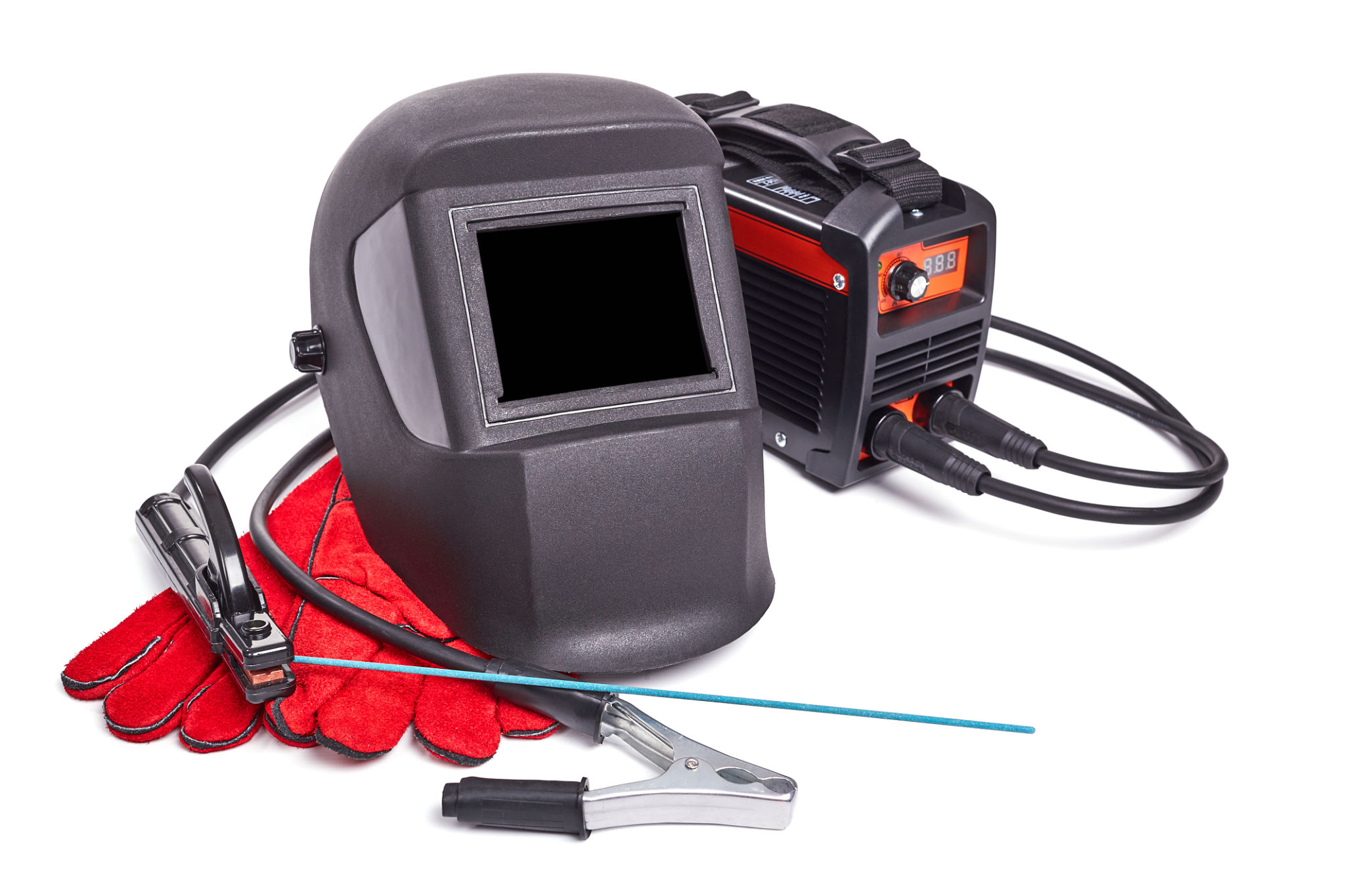
In cold weather, certain welding techniques perform better than others. For example, stick welding is often preferred for outdoor winter work due to its versatility and ability to penetrate rusty or dirty surfaces. However, it's important to adjust your technique to accommodate the temperature.
Preheating the metal can help prevent cracking by reducing the temperature difference between the weld and the base material. This is particularly important for thicker materials that are more susceptible to thermal shock.
Ensuring Personal Safety
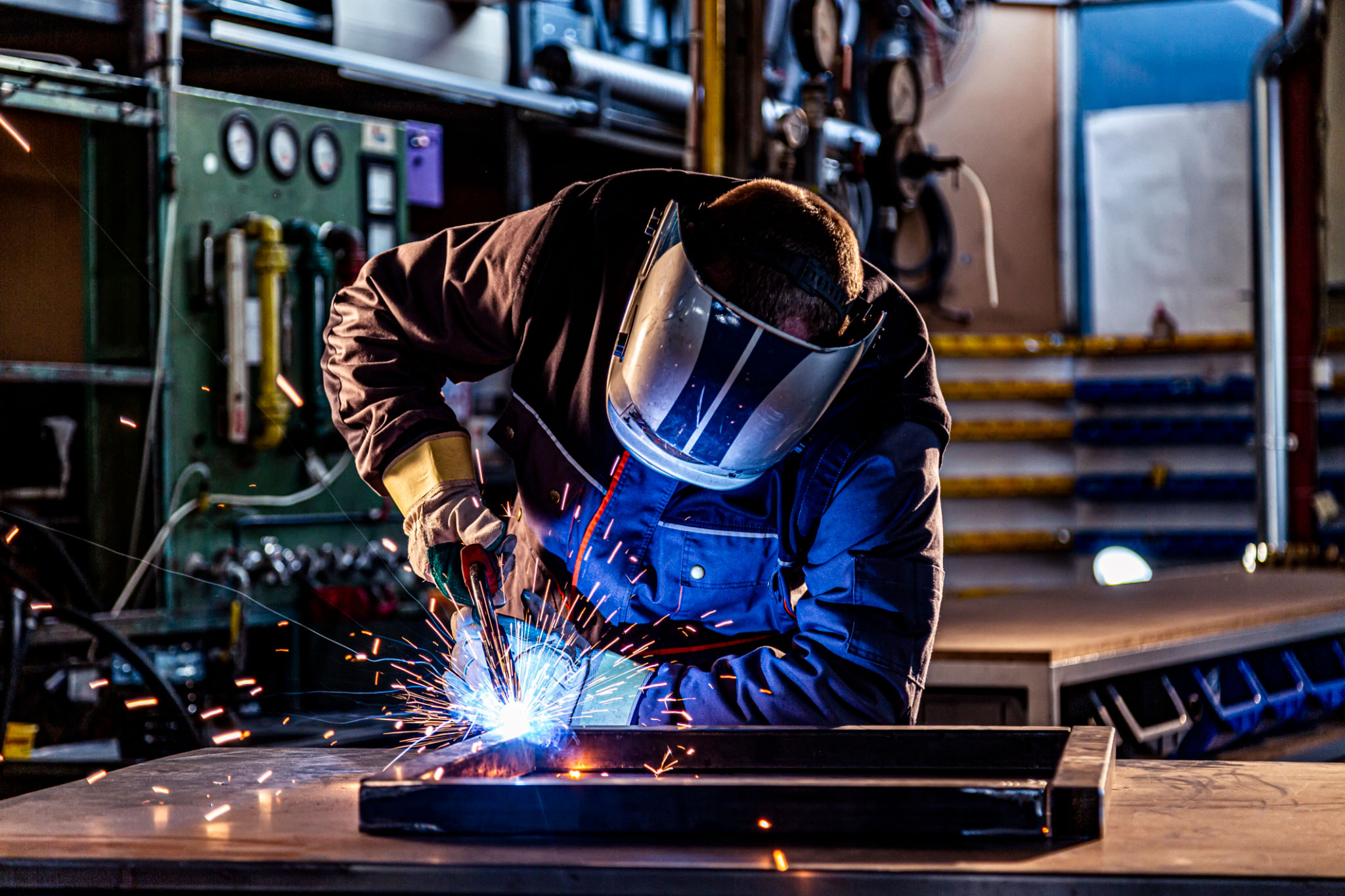
Personal safety should always be a top priority, especially in harsh weather conditions. Dress in layers to stay warm but ensure that your clothing doesn't interfere with your welding activities. Wearing insulated gloves and a proper helmet is essential to protect against the cold and potential hazards.
Keep your work area clear of ice and snow to prevent slips and falls. Additionally, be aware of how the cold can affect your concentration and dexterity. Taking regular breaks in a warm environment can help you stay alert and work safely.
Storing Materials and Equipment
Proper storage of your materials and equipment is crucial to prevent damage from the cold. Keep welding rods and other consumables in a dry, temperature-controlled environment to avoid moisture absorption. This can help prevent issues such as porosity in your welds.
When storing equipment, ensure that it is covered and protected from the elements. Regularly check and maintain storage facilities to prevent any unexpected issues during cold snaps.
Conclusion: Adapting to the Season
By understanding the unique challenges of welding during Michigan winters, you can take proactive steps to ensure successful and safe operations. Proper equipment maintenance, technique adaptation, and personal safety measures are all crucial components of cold-weather welding. Embrace the season with confidence and keep your projects on track, no matter how cold it gets.