
How to Maintain and Repair Your Welding Equipment On-Site


Introduction to On-Site Welding Equipment Maintenance
Welding equipment is vital for any construction or manufacturing operation. Proper maintenance and timely repairs are essential to ensure safety and efficiency. Conducting these tasks on-site can save time and minimize downtime. This guide will walk you through the steps to maintain and repair your welding equipment directly at your location.

Regular Inspection and Cleaning
Regular inspections are the first step in maintaining your welding equipment. Check for any visible signs of wear and tear, such as frayed cables or loose connections. It's crucial to keep the equipment clean from dust and debris, which can affect its performance. Use a clean, dry cloth to wipe down the surfaces and ensure that vents and filters are free of obstructions.
Tip: Schedule inspections weekly or monthly, depending on the usage frequency of your equipment. This proactive approach can prevent minor issues from becoming major problems.
Checking Electrical Components
The electrical components of your welding equipment need careful attention. Regularly examine cables and connectors for signs of damage. Replace any worn or defective parts immediately to prevent electrical hazards. Ensure connections are tight and secure to maintain optimal performance.

Using a multimeter can help you test the electrical output and ensure that it remains within the manufacturer's specifications. This will not only enhance performance but also extend the lifespan of your equipment.
Lubricating Moving Parts
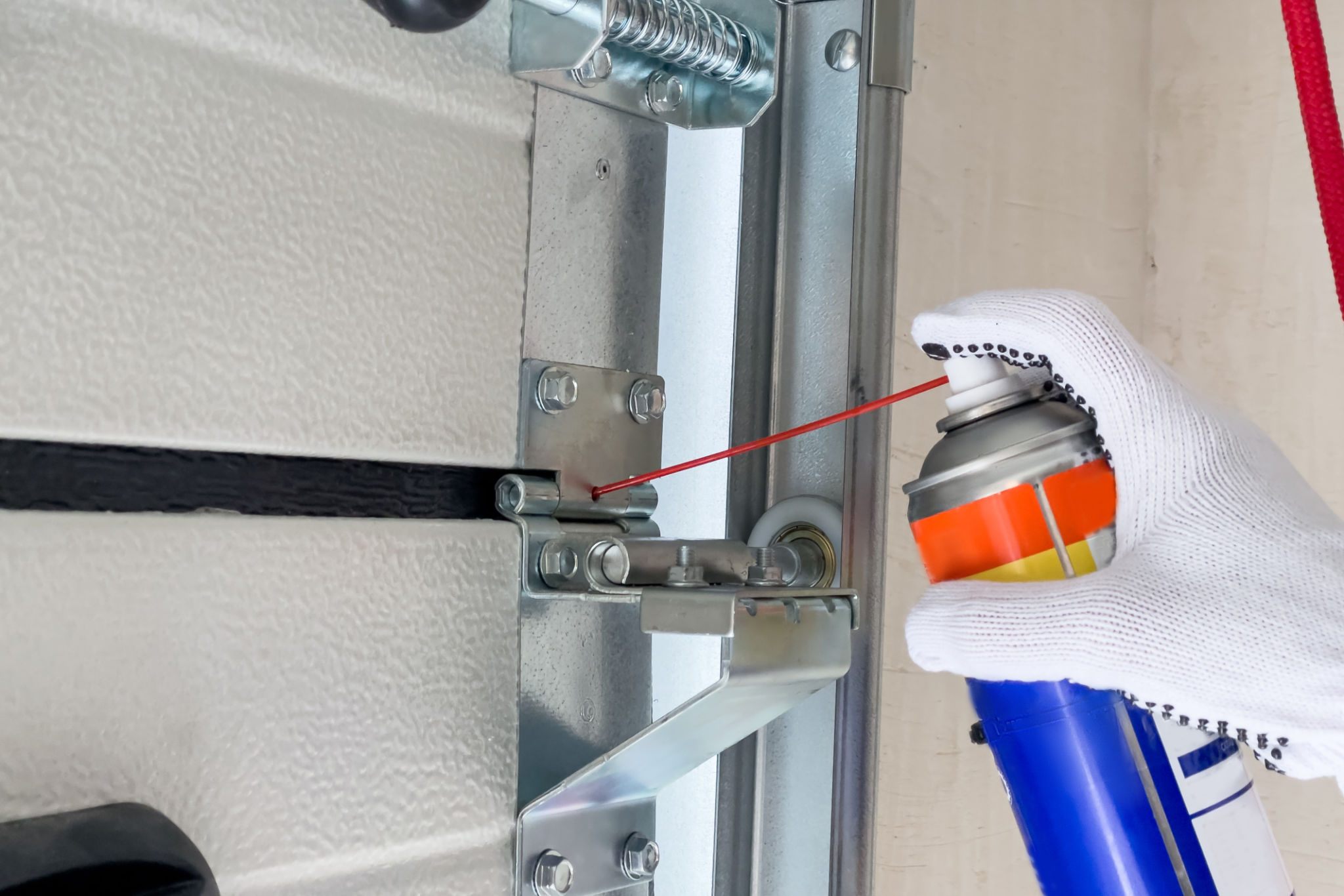
Lubrication is essential for any equipment with moving parts. Apply the appropriate lubricant to hinges, gears, and other moving components to reduce friction and wear. This will keep your equipment running smoothly and prevent unexpected breakdowns.
Important: Always use the lubricant recommended by the manufacturer to avoid damaging your equipment.
Replacing Consumables
Welding equipment often uses consumable parts such as nozzles, contact tips, and electrodes. Regularly check these components and replace them as needed. Worn-out consumables can lead to poor weld quality and increased equipment wear.
Keep a stock of these parts on-site to ensure quick replacements and minimal downtime. This practice helps maintain the efficiency of your operations and reduces the risk of costly repairs.
Troubleshooting Common Issues
Even with regular maintenance, issues can arise. Common problems include irregular arc, overheating, and poor weld quality. Familiarize yourself with the troubleshooting section of your equipment's manual. Most issues can be resolved with simple adjustments or part replacements.

If a problem persists, consult a professional technician for an in-depth diagnosis and repair. This can prevent further damage and ensure the safety of your equipment and operators.
Conclusion
Maintaining and repairing your welding equipment on-site is a practical and efficient way to ensure operational continuity. By following these guidelines, you can extend the life of your equipment and enhance the quality of your work. Remember, regular maintenance is key to preventing downtime and ensuring safety.