
Expert Tips for Choosing the Right Welding Equipment


Understanding Your Welding Needs
When it comes to choosing the right welding equipment, the first step is to understand your specific needs. Are you a professional welder, a hobbyist, or someone who needs equipment for occasional repairs? Defining your requirements will guide you in selecting the appropriate tools and machinery. Consider the materials you'll be working with, as different metals require different welding techniques.

Types of Welding Processes
There are several welding processes, each suited for specific applications. The most common include:
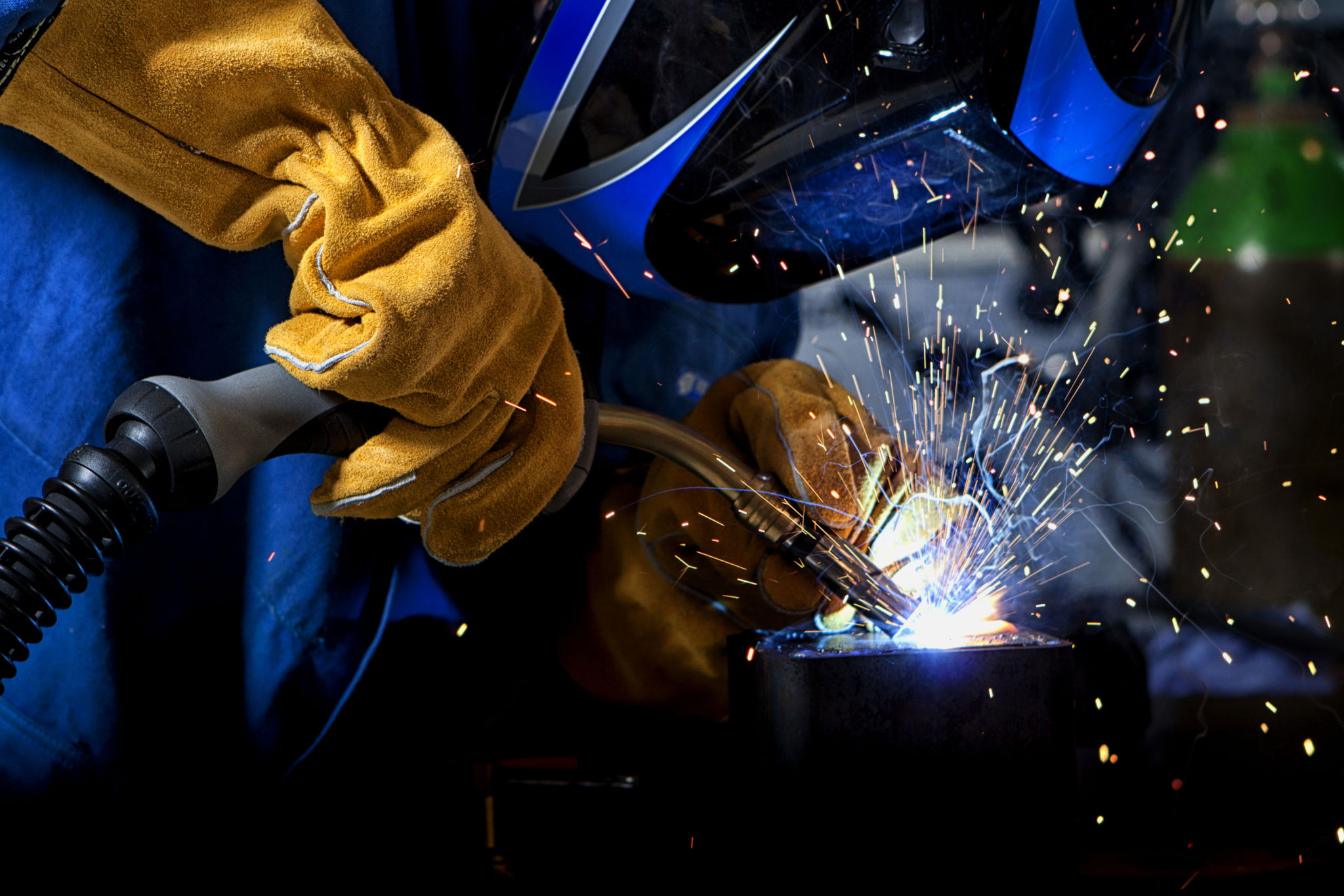
- MIG Welding: Ideal for beginners and works well with thicker metals.
- TIG Welding: Offers precision and is perfect for thinner materials.
- Stick Welding: Versatile and cost-effective, suitable for outdoor use.
Understanding these processes will help you choose equipment that aligns with your skill level and project requirements.
Key Features to Consider
Look for features that will enhance your welding experience. Some important considerations include:
- Amperage Range: Ensure the machine can handle the material thickness you'll be working with.
- Duty Cycle: This indicates how long you can weld before needing a break. A higher duty cycle is better for extensive projects.
- Portability: If you need to move your equipment frequently, consider its weight and design.

Evaluating Safety Features
Safety should be a top priority when selecting welding equipment. Look for built-in safety features such as overload protection and thermal sensors. These features prevent accidents and prolong the life of your equipment. Additionally, ensure you have the necessary protective gear, including helmets, gloves, and aprons.
Researching Brands and Reviews
Once you've identified your needs and key features, research different brands. Look for manufacturers known for quality and reliability. Reading reviews from other welders can provide insights into the performance and durability of various models. Don't hesitate to reach out to professionals or colleagues for recommendations.
Budget Considerations
While it's tempting to opt for cheaper options, investing in quality equipment often pays off in the long run. Consider the total cost of ownership, including maintenance and repair expenses. If you're on a tight budget, look for models that offer a good balance of features and affordability.
Testing Before Buying
Whenever possible, test the equipment before making a purchase. This hands-on experience will give you a better idea of how it performs and whether it suits your needs. Some retailers offer demo units or trial periods, allowing you to make an informed decision.
Maintaining Your Equipment
Proper maintenance is essential to keep your welding equipment in top condition. Regularly clean and inspect your tools for wear and tear. Follow the manufacturer's guidelines for servicing and repairs. By taking care of your equipment, you ensure its longevity and reliability.